
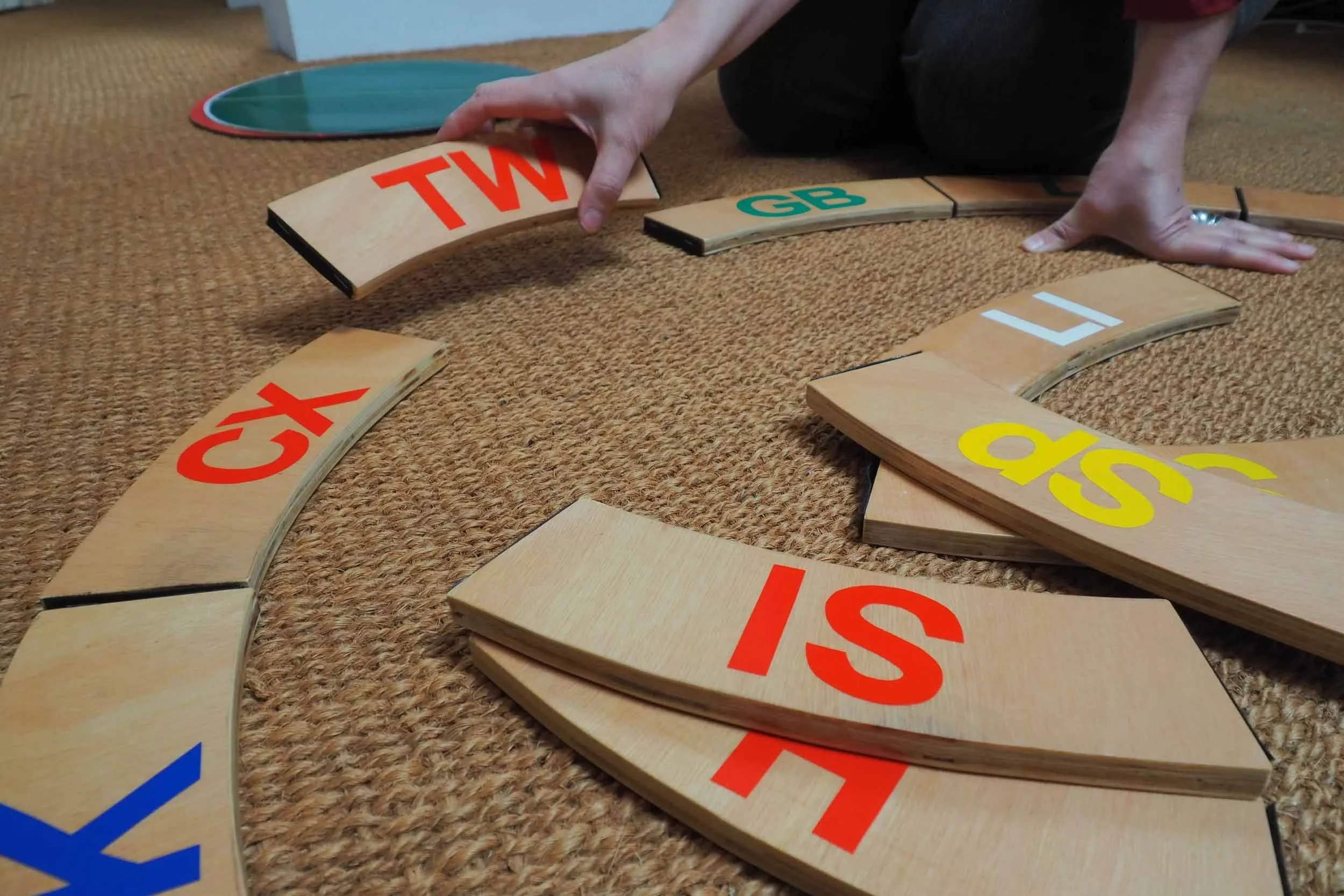
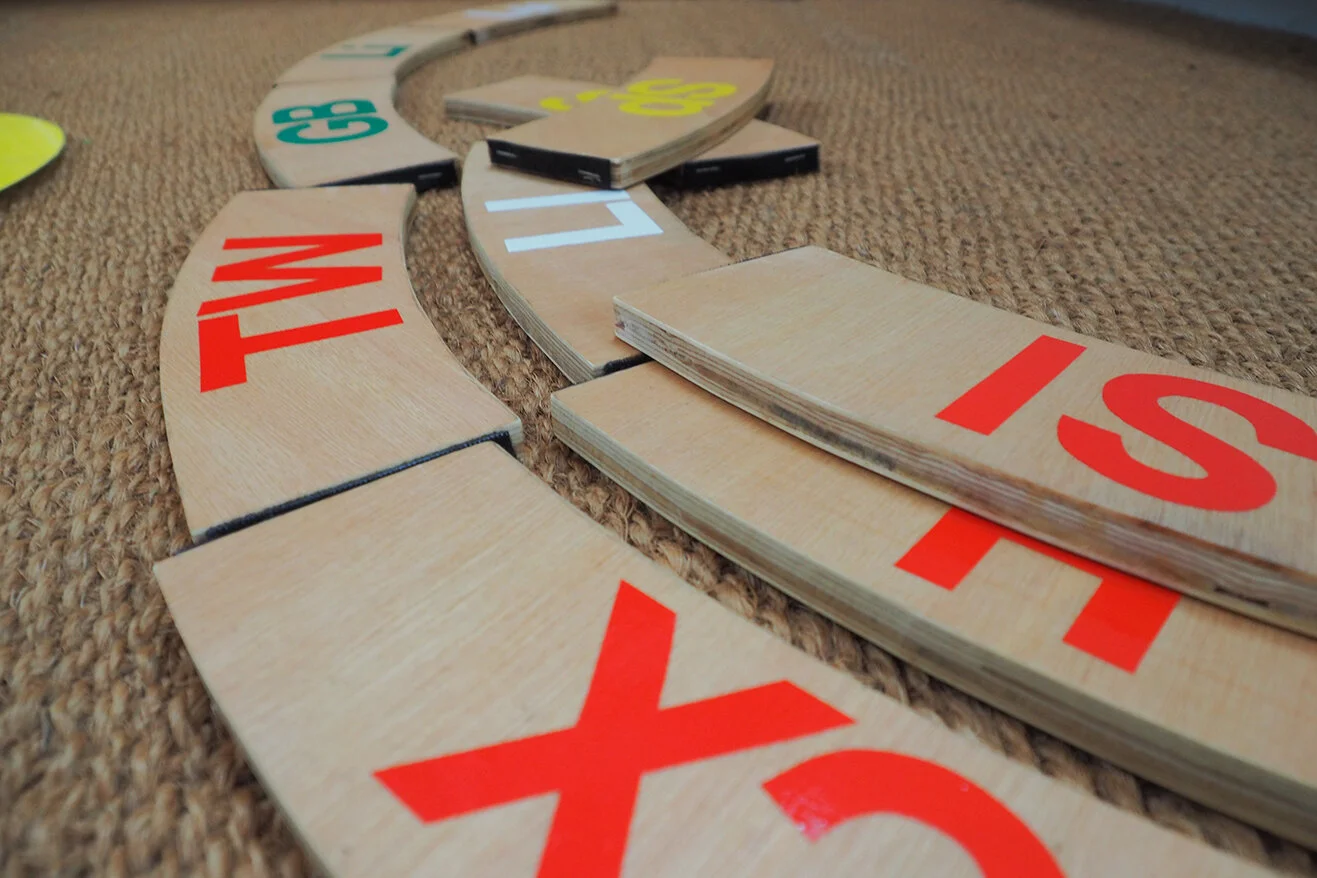
Touch For Health: Metaphors and Goal Setting
Touch for Health Metaphors can provide powerful insight into the thoughts and feelings that surround a specific issue.
Including metaphors in a Touch for Health Balance enriches our conscious awareness and helps us readjust our approach allowing permanent positive change and enabling us to reach our goals more efficiently.
The Touch for Health Metaphors 2 day workshop is part of the Touch for Health Consultant and Professional Programmes.
“It was everything I expected and so much more.”
“It’s been a privilege to work with Helena.”
Top Metaphors Chart Picks
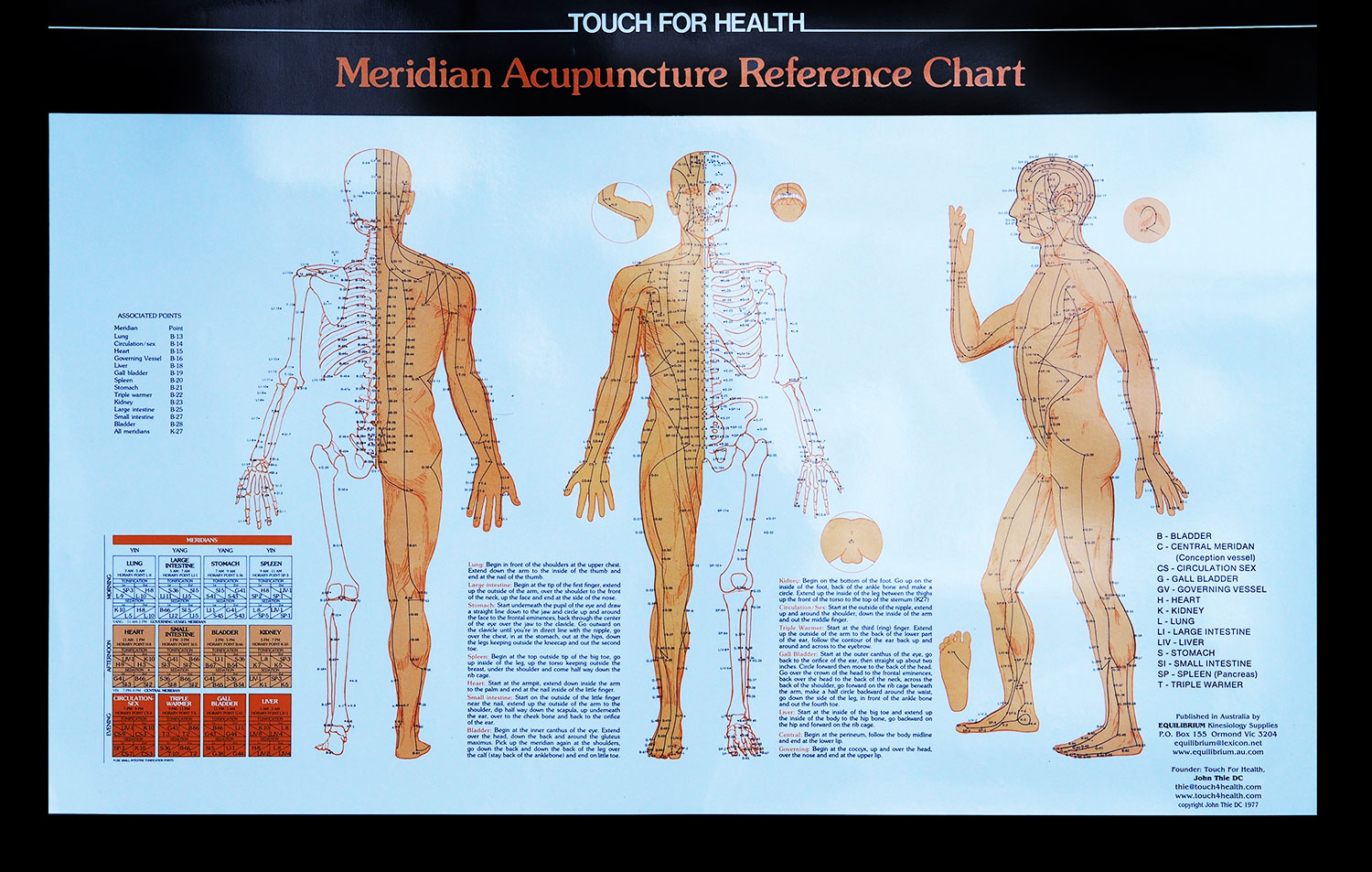
Practical wall size chart for when teaching, learning, or sharing with clients.
The 14 Acupuncture Meridians in detail. Shows all labelled Acupuncture Points along the Meridians (e.g. K27, GB31 etc). Offers a three sided body view - front, back and side (many Acu Charts have only front & back views and therefore the Gall Bladder meridian can have missing chunks).
90 cm × 60 cm, laminated
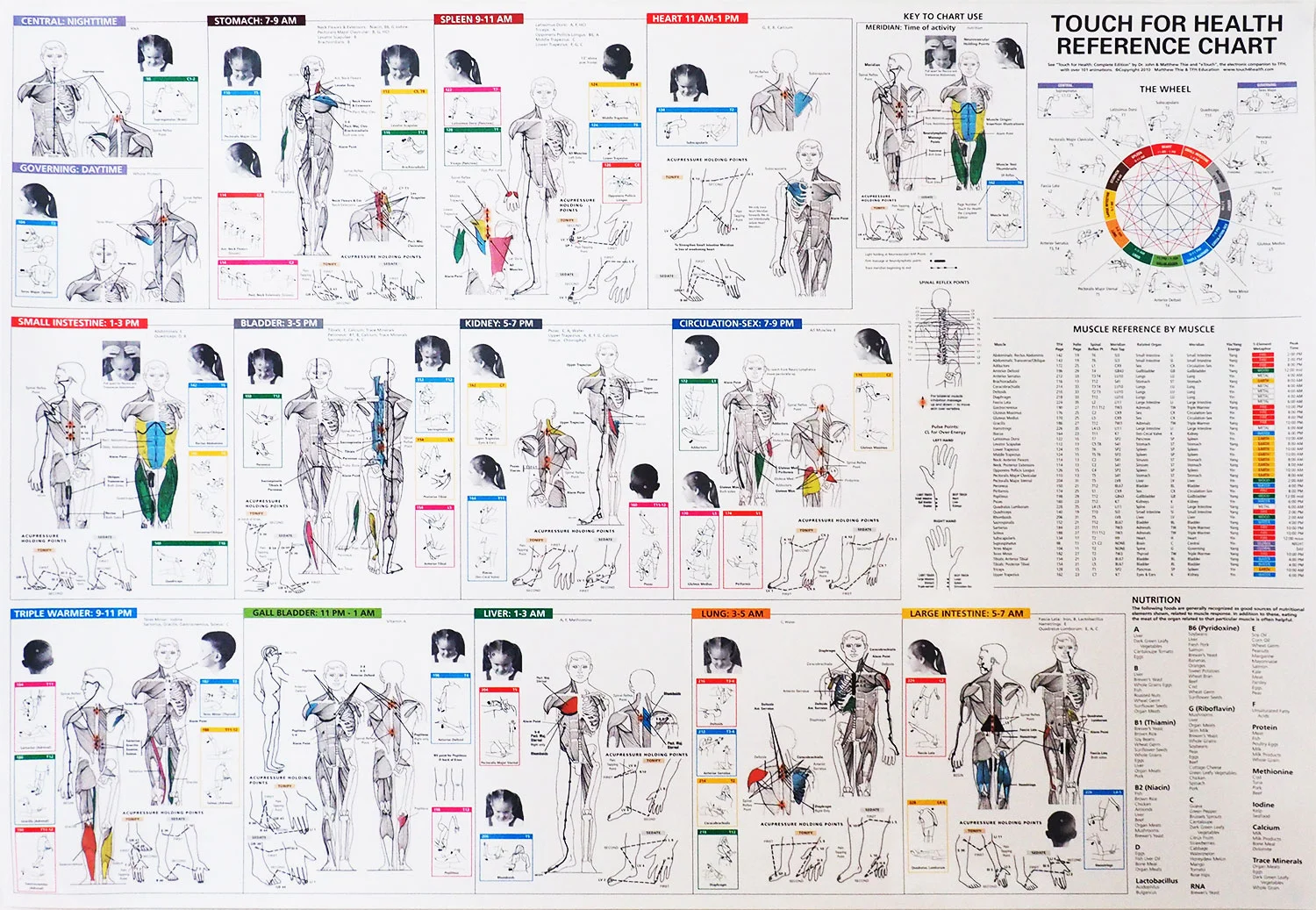
This large, colourful and informative chart contains all the TFH information - muscle tests, meridians, nutrition, time of day, all the corrections and the muscles themselves. A wonderful reference for the TFHer.
100 x 70 cm, laminated
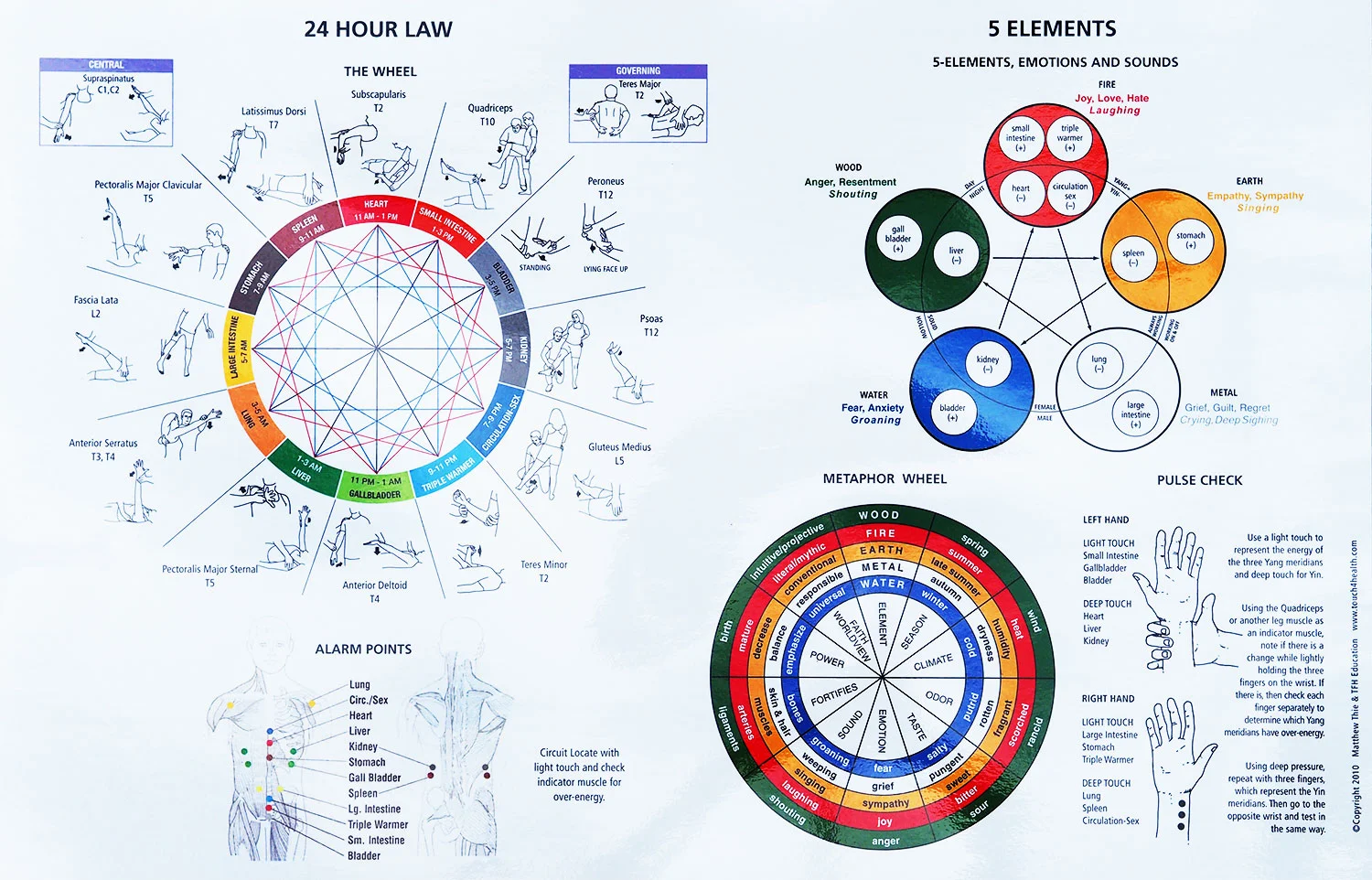
On one side the TFH 5 Element Chinese Metaphors which are exceptionally effective for cuing key issues and bringing much greater awareness and clarity to the person being balanced. On the other side the TFH Wheel, Metaphor Wheel, 5 Elements, Alarm Points and Pulses.
43 x 28 cm, laminated and double sided
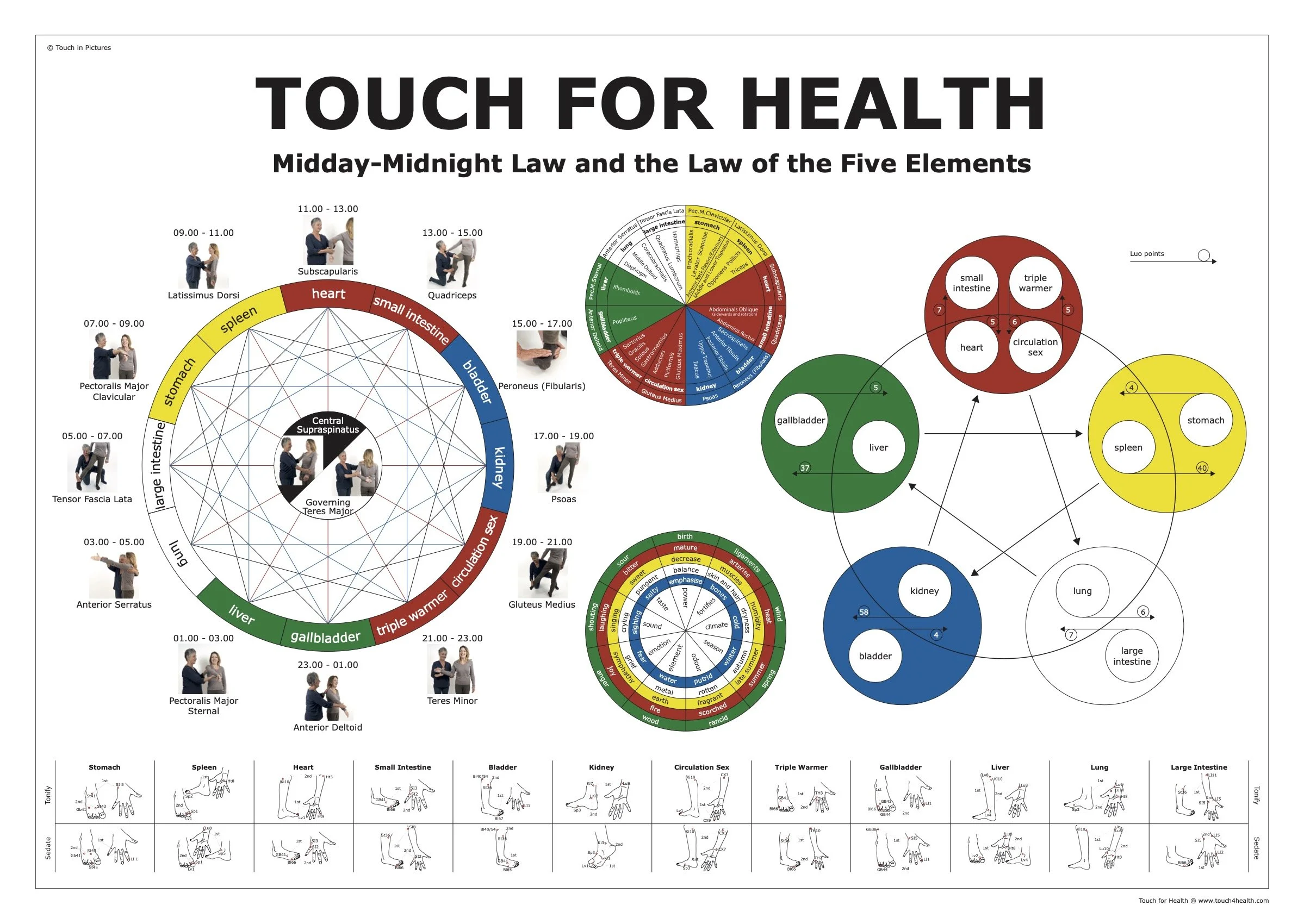
Practical wall size chart for assessing and balancing energy patterns when teaching a group, or sharing with clients. This chart is dry wipe, ideal for teaching or demonstration.
TFH 5 Elements and wheel wall chart showing:
• 24 hour cycle, (Beaver Dam, Spokes, Squares and Triangles)
• Basic 14 muscle tests, mapped to the peak times of day for their related energy meridians
• All the acupressure holding points for balancing Five Element relationships of the meridians.
• Five Element metaphor wheel showing 50 associated concepts of the 5 elements
84 x 60 cm, dry wipe laminate
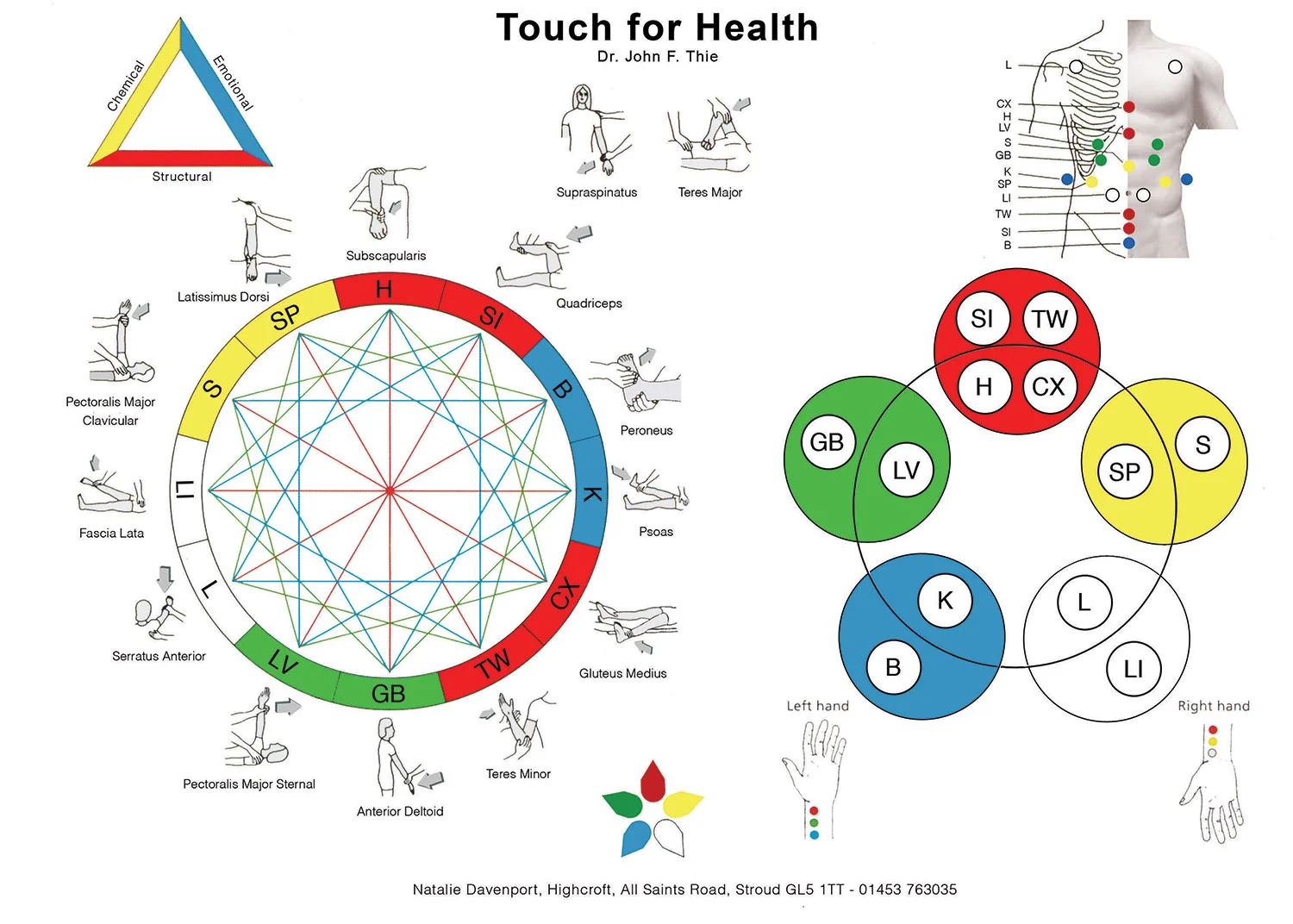
Very handy quick reference chart. Laminated so can be written on during a balance for ease to find patterns on the Wheel and the 5 Elements. Also showing alarm points. Perfect for marking patterns on with a wipable pen.
£1 will be donated to the Touch for Health Charity for each purchase.
30 x 22 cm, laminated
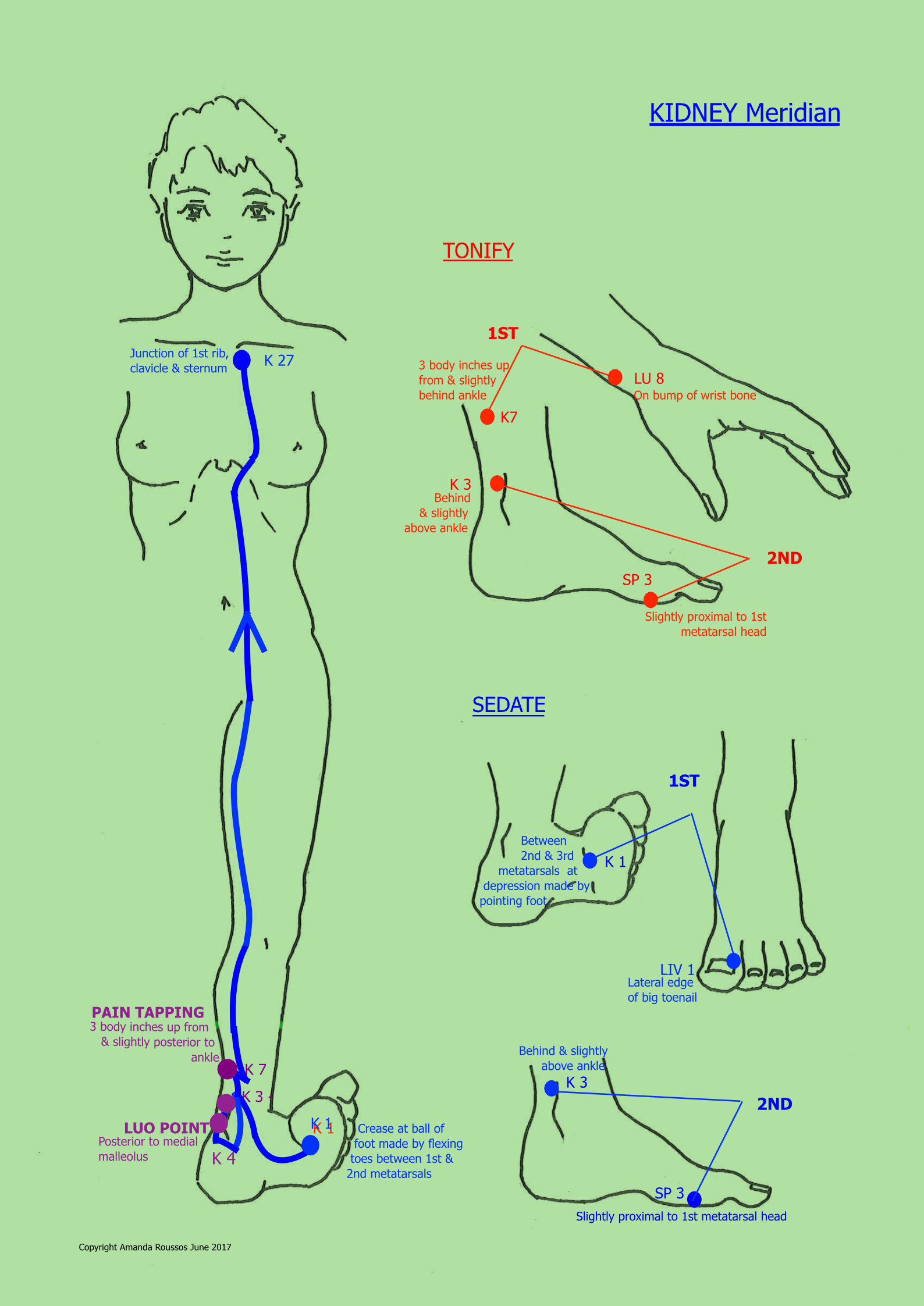
A hand drawn set of A 4 cards, 15 pages, one for each meridian (double sided) and one illustrating all 14 meridians in order. Each chart shows the exact locations of the beginning and end points, the Acupressure Holding Points, Luo Point and Pain Tapping Point. Also the direction of flow and time of day associated with each meridian. This is an invaluable tool for any student of meridians and a great aid for any teacher. Another wonderful resource from Amanda Roussos
15 Pages
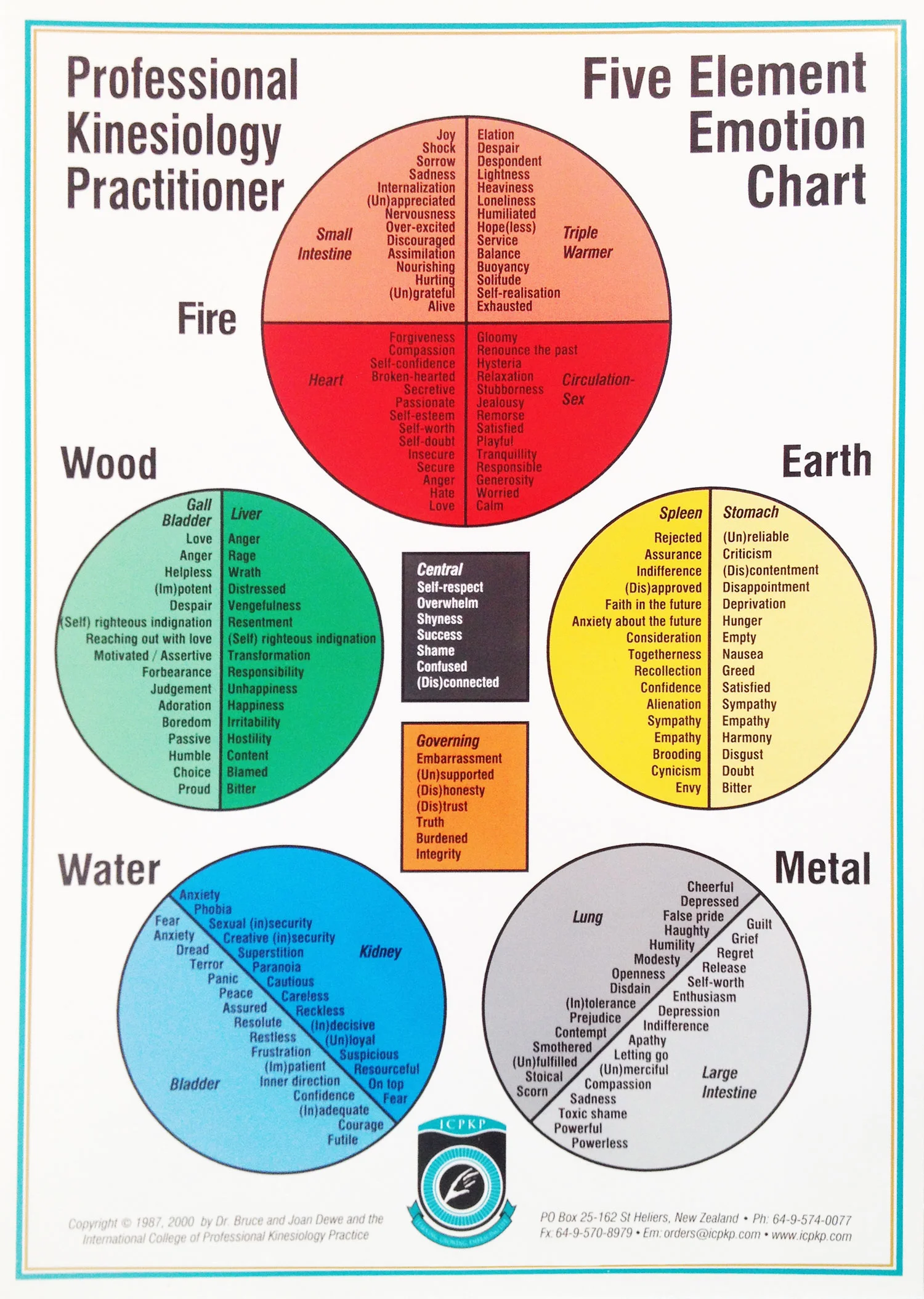
The colourful chart of the complete list of 5 Element Emotions used in the PKP system. Useful as a scanning chart in A4 size and also available in A2 size as a wall chart.
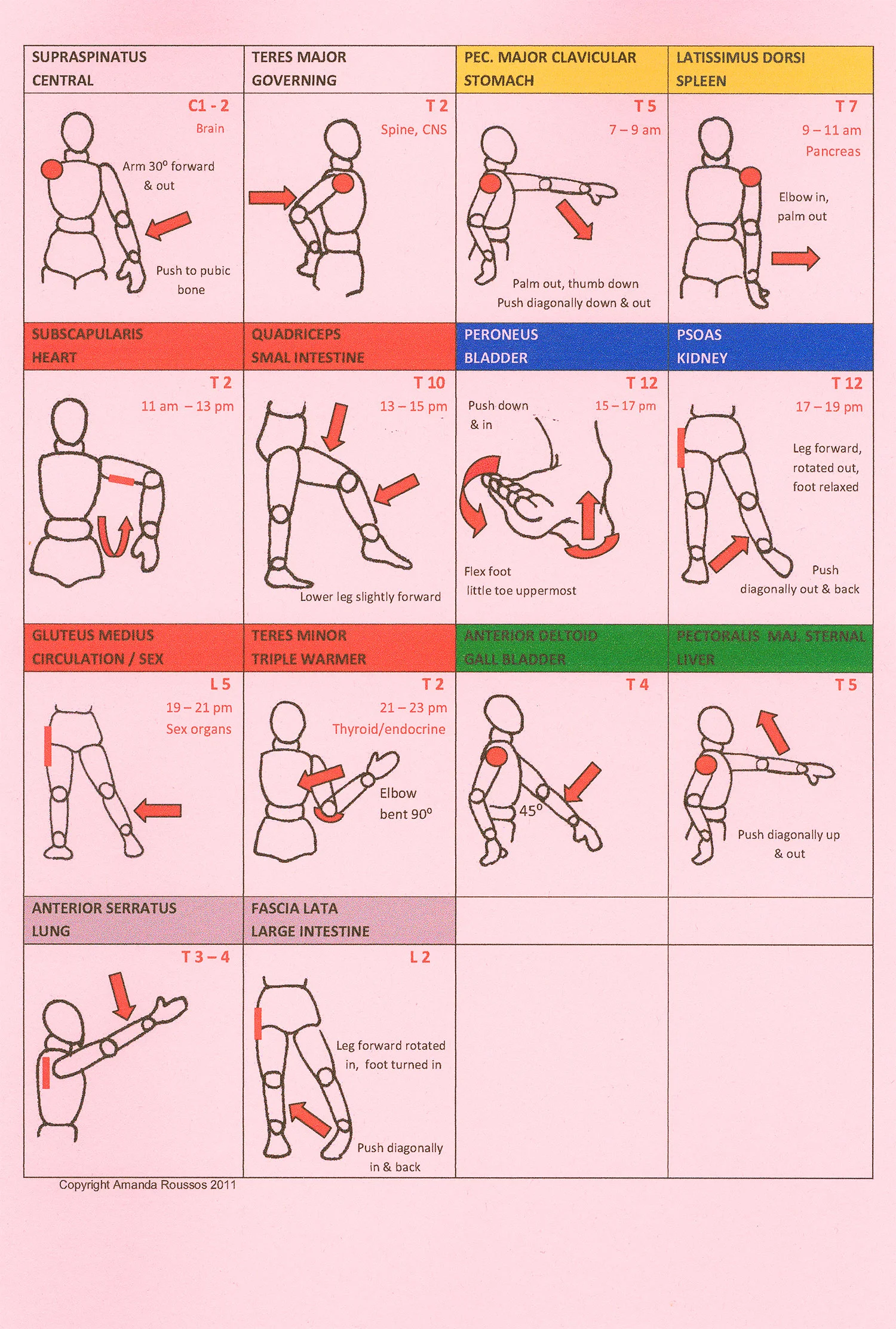
These clear, easy to read reference cards are a fantastic addition to anyone’s resources. Includes 7 individual sheets showing test positions, NLs, NVs, Meridians, Spinal Reflexes, Origin and Insertion and Nutrition for 14 TFH level 1 muscles.
30 x 22 cm
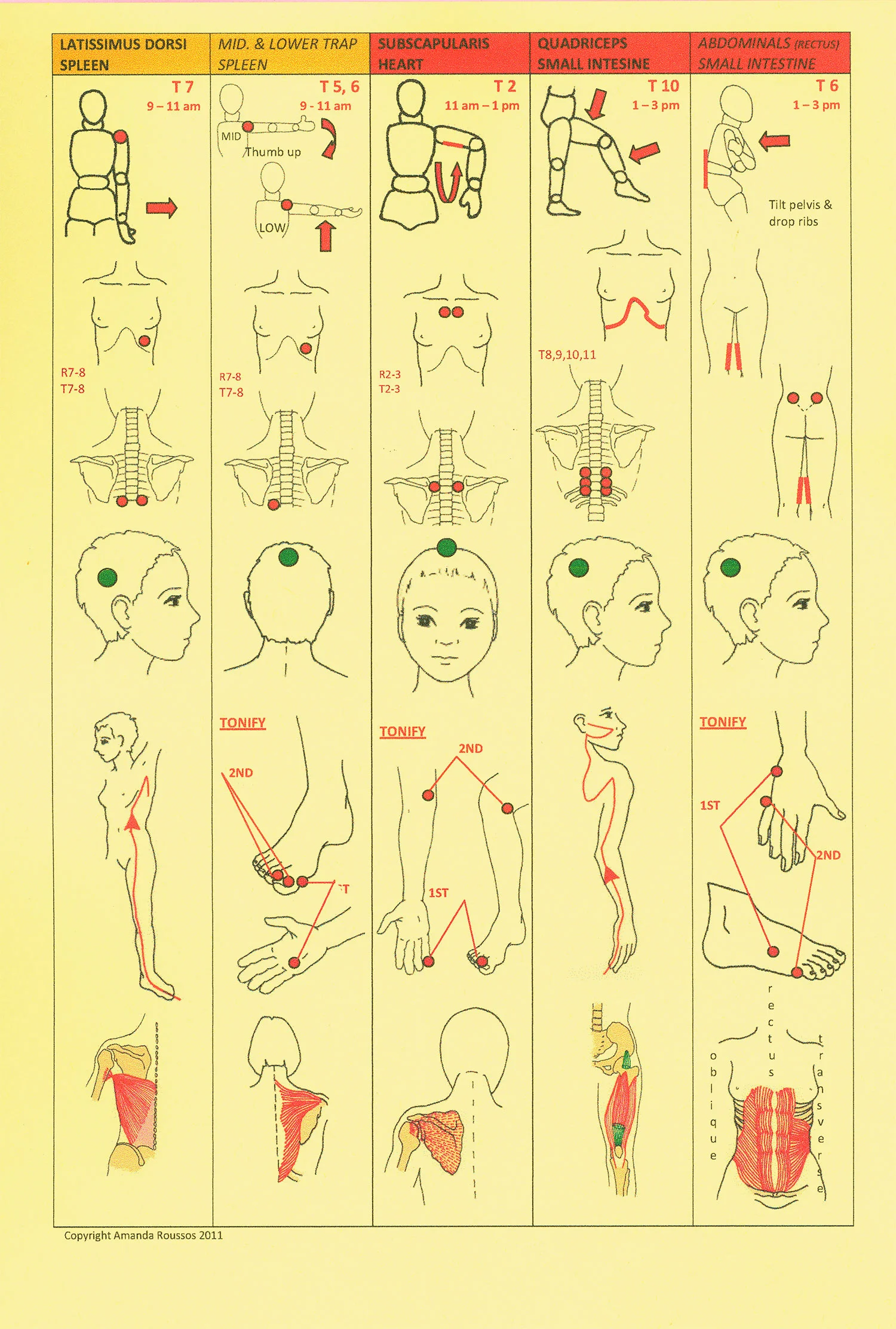
Columns for each of the 28 muscles in TFH Level 2. Showing: testing positions, time of day, NLs, NVs, Meridians, tonifying Acupressure Holding Points, Spinal reflex points and muscles locations. Also shows alarm points and nutrition.
30 x 22 cm
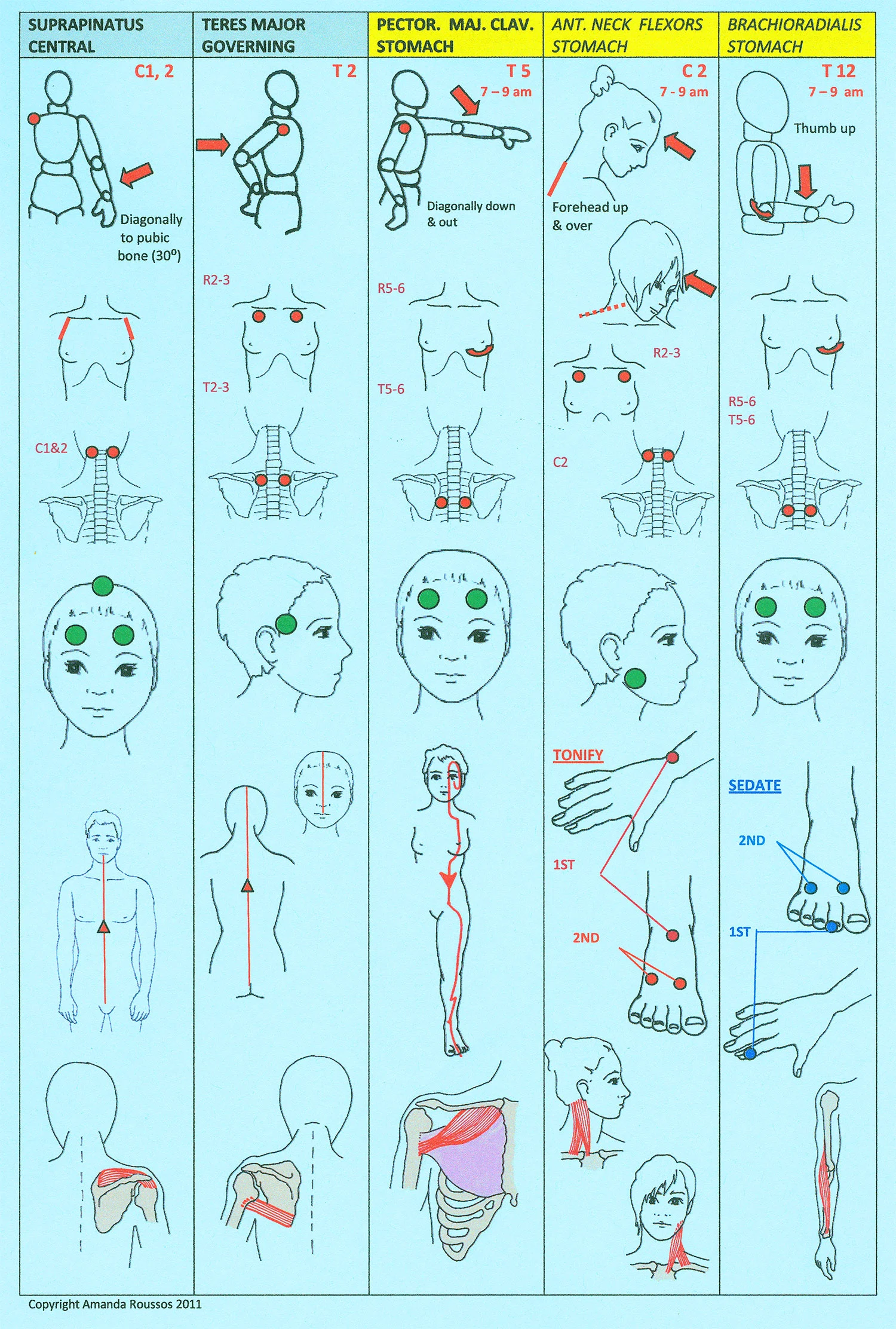
Columns for each of the 42 muscles in TFH Level 3. Showing: testing positions, time of day, NLs, NVs, Meridians, tonifying and sedating Acupressure Holding Points, Spinal reflexes and muscles locations. Also shows alarm points, Luo points and nutrition.
30 x 22 cm
This two day course explores further functions of muscles, the results of loss of integrity and new ways to approach restrictions in movement. With a deeper understanding of muscles you will gain the tools and confidence to bring balance to more complex structural issues.