


About Kinesiology
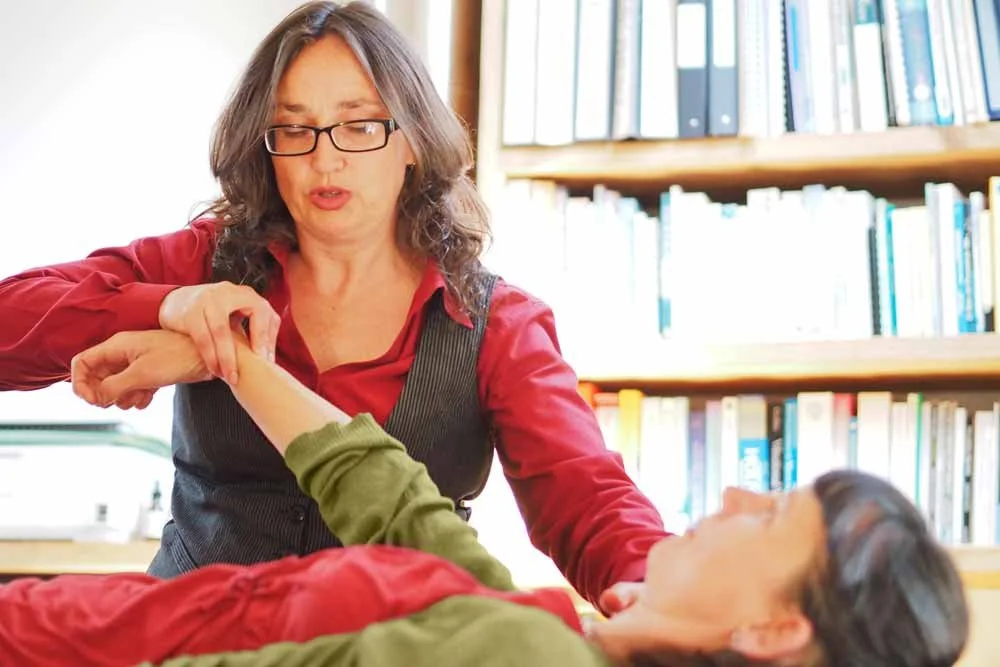
Kinesiology is a hands on, holistic therapy. Combining Western techniques with the principles of Eastern medicine, Kinesiology looks beyond symptoms to find the root of any symptoms being experienced.
A session is like embarking on a journey of discovery. Muscle response feedback gives us access to the innate wisdom of the body, mind and spirit bringing about a deep and meaningful state of balance.
“The emotional pain seems to have completely gone following our first session - I can’t believe how much more relaxed I am.”
Where does Kinesiology come from?
Kinesiology was developed in the 1960s by a chiropracter called Dr George Goodheart. Since his original teachings Kinesiology has continued to develop and is now practiced all over the world.
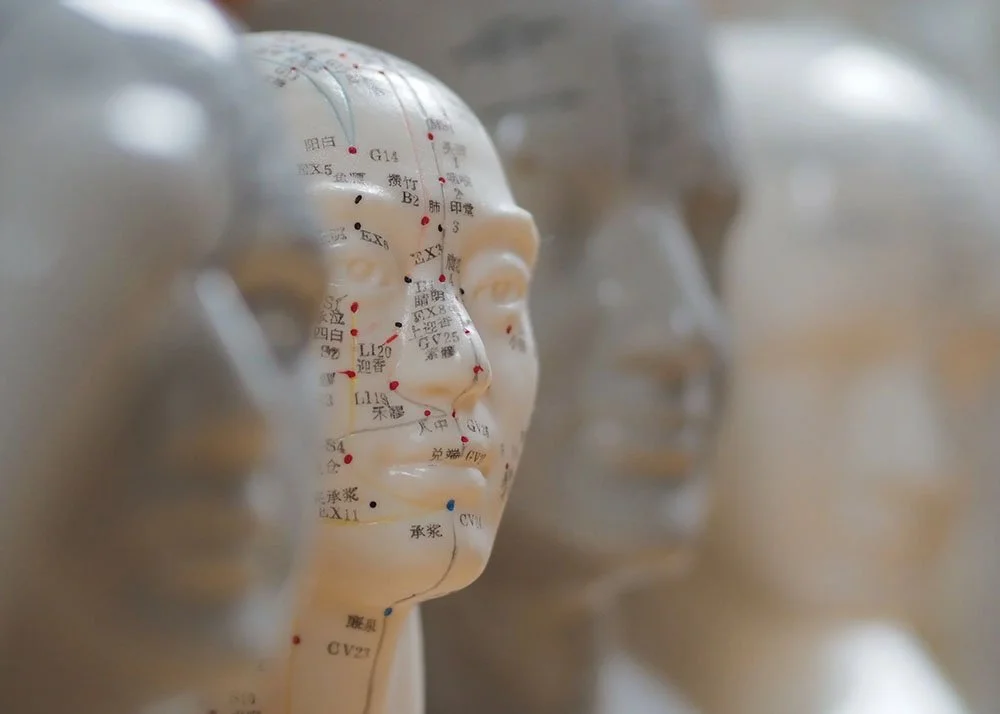
It is widely known that Kinesiology can often reveal and resolve issues difficult to work with using other modalities. A session may include a variety of techniques such as acupressure, nutritional therapy, chiropractic techniques, traditional Chinese medicine, remedies, energy balancing and massage.

Kinesiology is a non-invasive holistic therapy aimed at balancing energy, improving performance, attaining goals, reducing pain and alleviating stress.
FAQ’s
-
The word kinesiology means the study of movement. Today the word indicates any practice where muscle response feedback is used in a therapeutic setting.
-
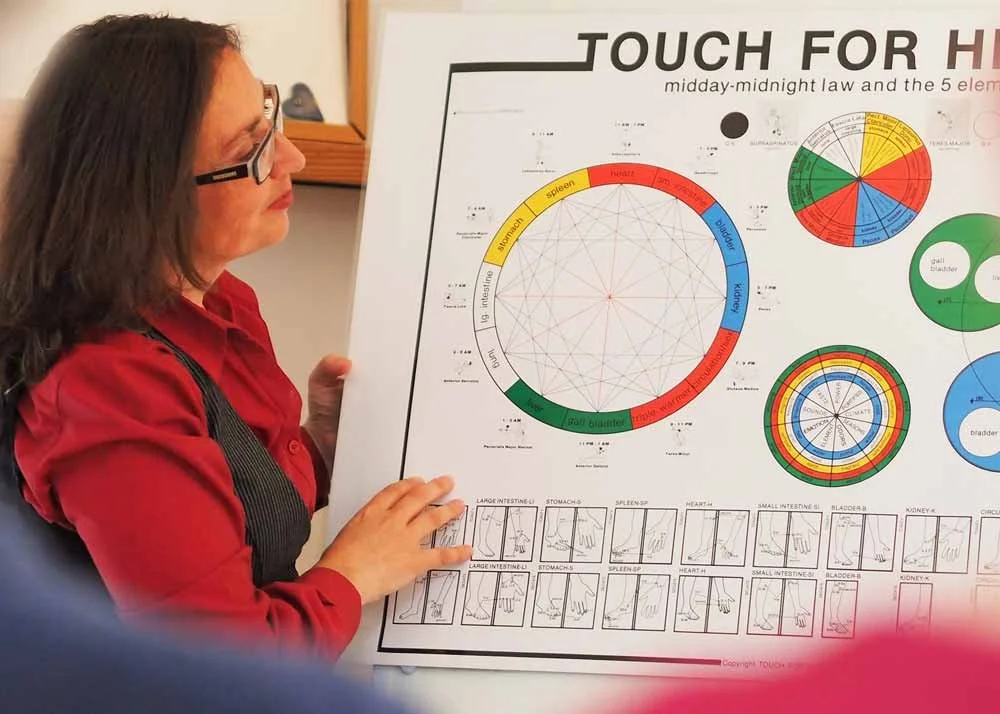
Having studies many different types of Kinesiology Helena has her own unique style. She incorporates many techniques and protocols learnt over 35 years of working as a therapist. However, everything she does is grounded in the ethos and ethics of Touch for Health. In particular the client-led approach (rather than the medical approach) which is fundamental to empowering others.
-
Muscle response feedback enables the practitioner to determine where stresses are and what we can do about it. What is unique about the kinesiology approach is that we consider all aspects of our being simultaneously. That is the physical, emotional, nutritional, energetic and spiritual parts of our existence. They are interwoven and must be looked at as a whole rather than separate.
-
Every kinesiologist will have their own unique way of working. They will often have enhanced their practice with additional training which they can integrate in to a kinesiology session. Some kinesiologists specialise in areas of interest although the fundamental tools will be the same for all.
-
No! It’s easy to learn no matter what your level of knowledge is or whether you want to learn out of interest, to help friends and family or as a possible future career. Have a look at our upcoming classes or contact us for more details.
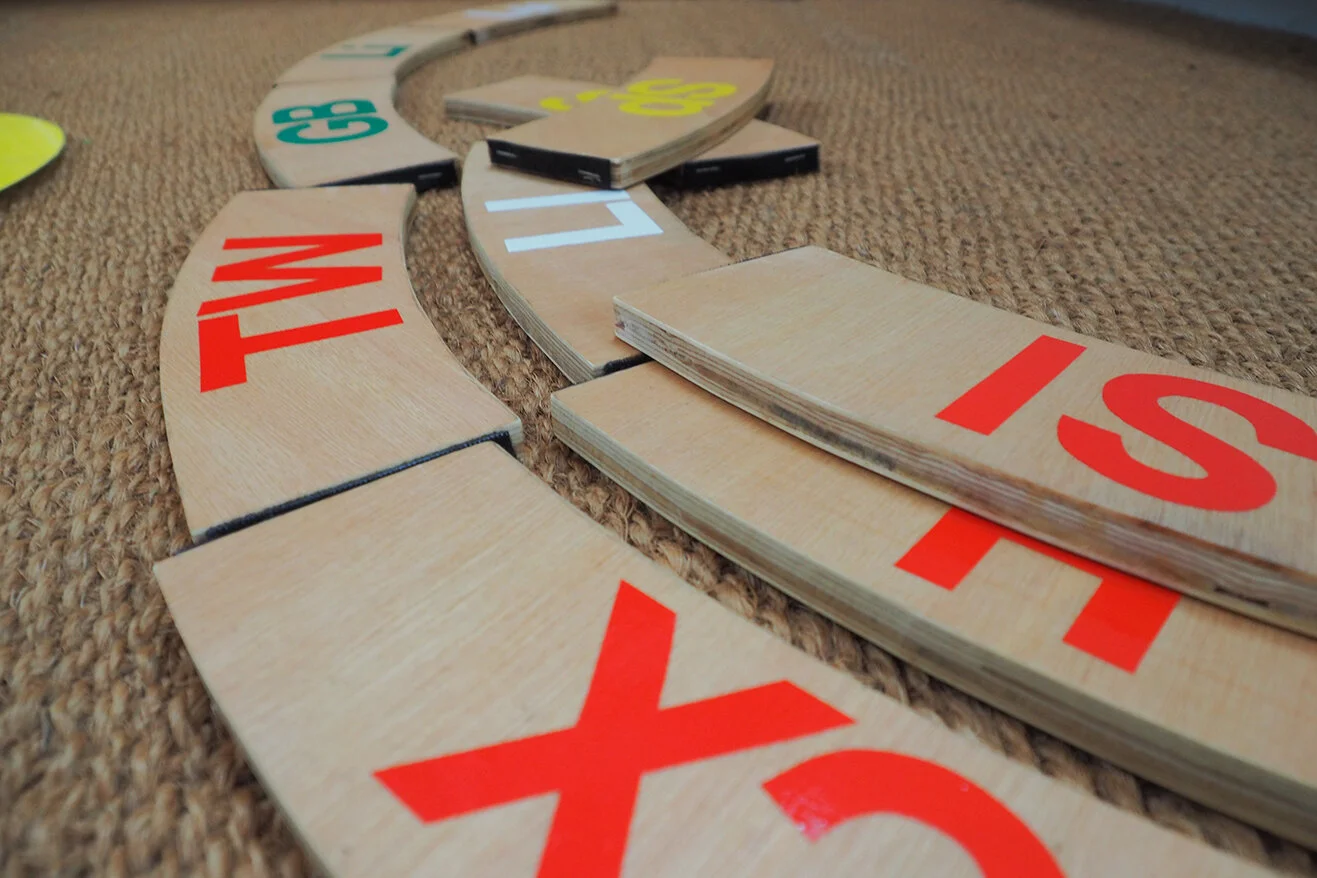

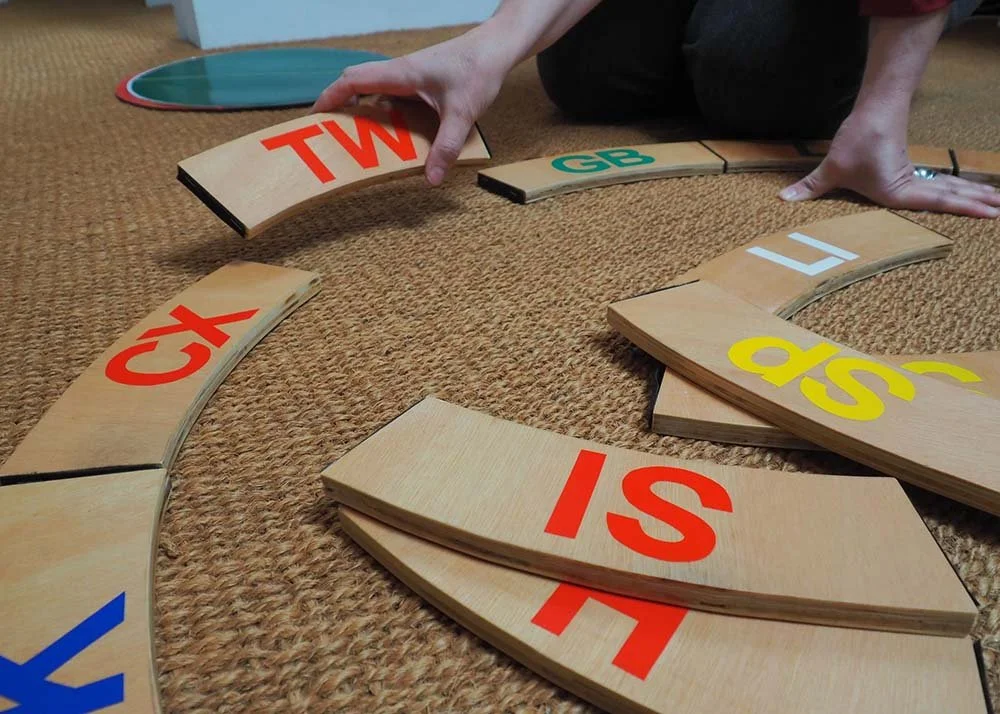

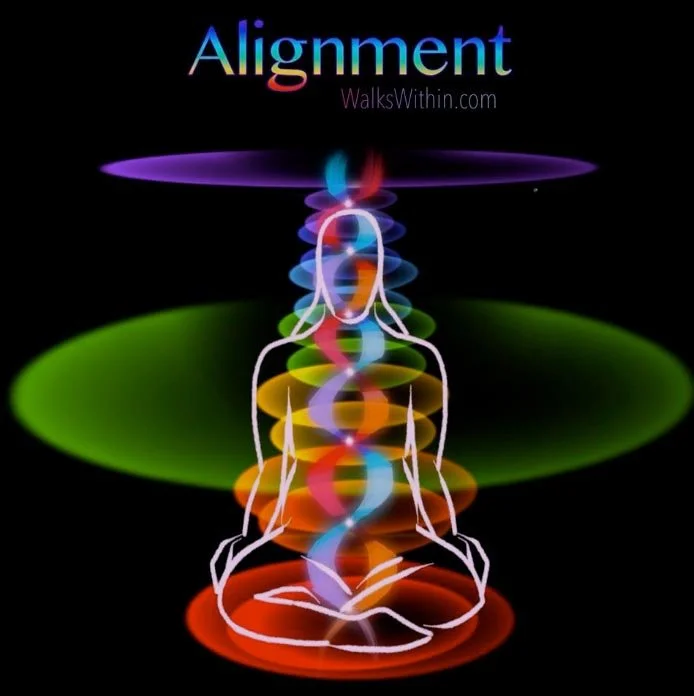




Vivid imagery to enhance the goal and balance the body.